

The difference between low smoke and halogen-free cables and ordinary cables
A high-voltage line is a single component that connects two devices to transmit electrical signals, formed by connecting, twisting, or weaving two or more wires together. This high-voltage line has a wide range of applications and needs to be customized for various purposes. Its function is as large as that of wire products, used for transmitting electrical energy, electrical signals, and achieving electromagnetic energy conversion. High voltage power lines are usually composed of high-voltage wire cores used for transmitting electricity or electrical signals, and cover cotton used for protection and insulation. High voltage wires with only one core and smaller diameter are commonly referred to as wires. Some wires are also known as bare wires without insulation cover cotton. The high-voltage wire core in high-voltage lines is made of metal materials with good conductivity, usually copper (good conductivity) or aluminum (low cost).
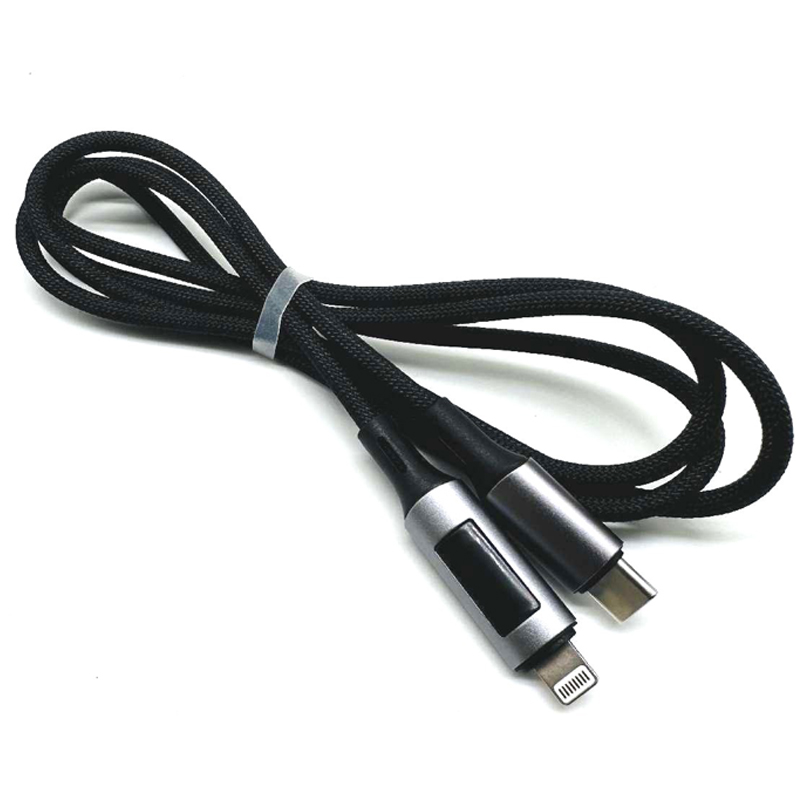
Low smoke and halogen-free cables refer to those made from non halogen (F Cl、Br、I、At)、 Environmentally friendly high-voltage lines made of rubber containing environmental substances such as lead, cadmium, chromium, and mercury will not produce toxic smoke at high temperatures. The prime pointer is designed according to the specified standards, with all prime values ≤ 50PPM and the hydrogen evolution air pressure content generated after high temperature<100PPM. Once a fire occurs, it may be burned down and unable to operate, but it can prevent the spread of the fire. Generally speaking, in the event of a fire on a high-voltage line, it can limit the high temperature to a local range without spreading, protecting other equipment and avoiding greater losses. According to the different flame-retardant materials of high-voltage lines, flame-retardant high-voltage lines are divided into those containing flame-retardant high-voltage lines and those without low smoke flame-retardant high-voltage lines.
What is a low smoke halogen-free cable? As the name suggests, low smoke refers to reducing the production of harmful substances during high-temperature processes; Su is a toxic air pressure that is harmful to the human body. Without Su, it means that toxic air pressure will not be released, usually in the event of a fire on a high-voltage line. Low smoke and no power high-voltage lines can also be referred to as environmentally friendly high-voltage lines. Low smoke and flame-retardant high-voltage wires are commonly used in hospitals and places with strict environmental hygiene requirements.
The insulation layer, cover cotton, outer cover cotton, and auxiliary materials (tape and filler) of low smoke halogen-free cables are entirely or partially made of flame-retardant materials containing polyethylene (PVC), thus having good flame retardant performance. However, high temperatures in high-voltage lines can release a large amount of smoke and acid air pressure. Acid air pressure can cause corrosive damage to surrounding electrical equipment. Rescue personnel need to wear gas masks to approach the scene and extinguish the fire.
When the high-voltage line is at high temperature, it can cause harm to the surrounding electrical equipment and rescue personnel, which is not conducive to firefighting and rescue work, thus causing serious secondary hazards. However, the insulation layer, cover cotton, outer cover cotton, and auxiliary materials (tape and filler) of low smoke and no cables are entirely or partially made of cross-linked polyethylene (XLPE) flame retardant materials, which not only have better flame retardancy, but also have no acid and air pressure emissions at high temperatures in high-voltage lines. The smoke emissions from high-voltage lines are also very small, and the smoke emissions are close to the recognized "low smoke" level.